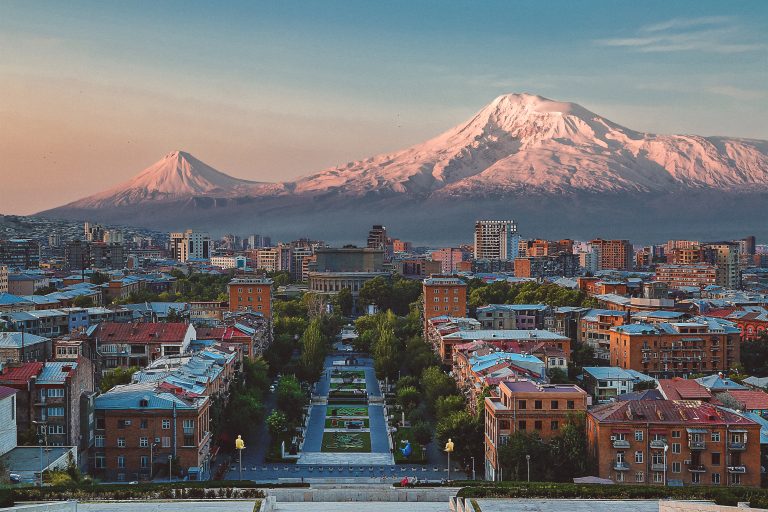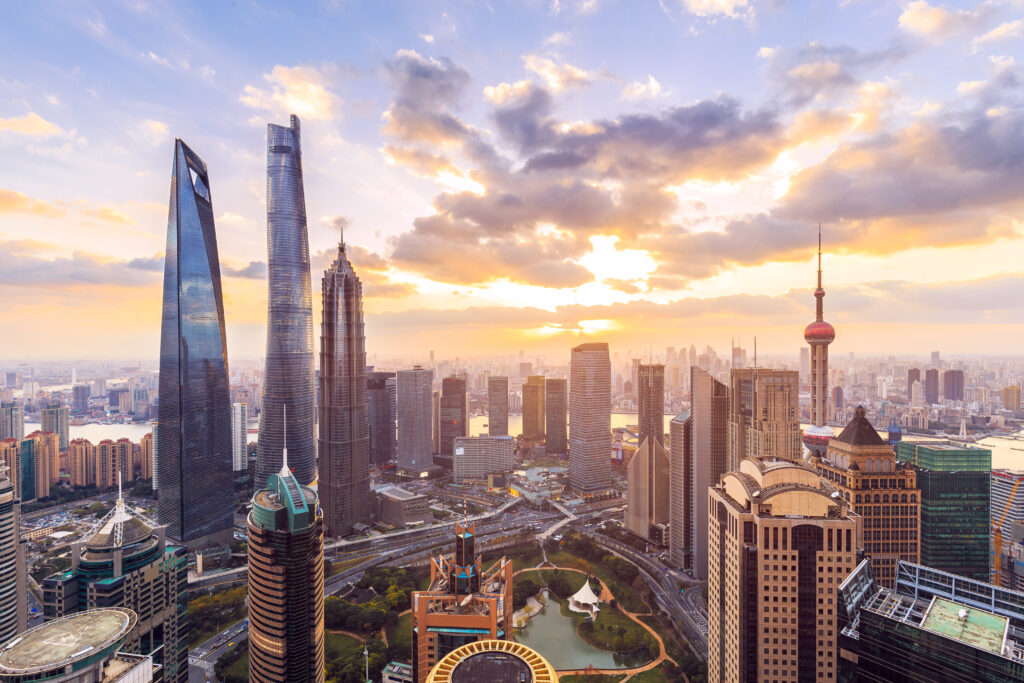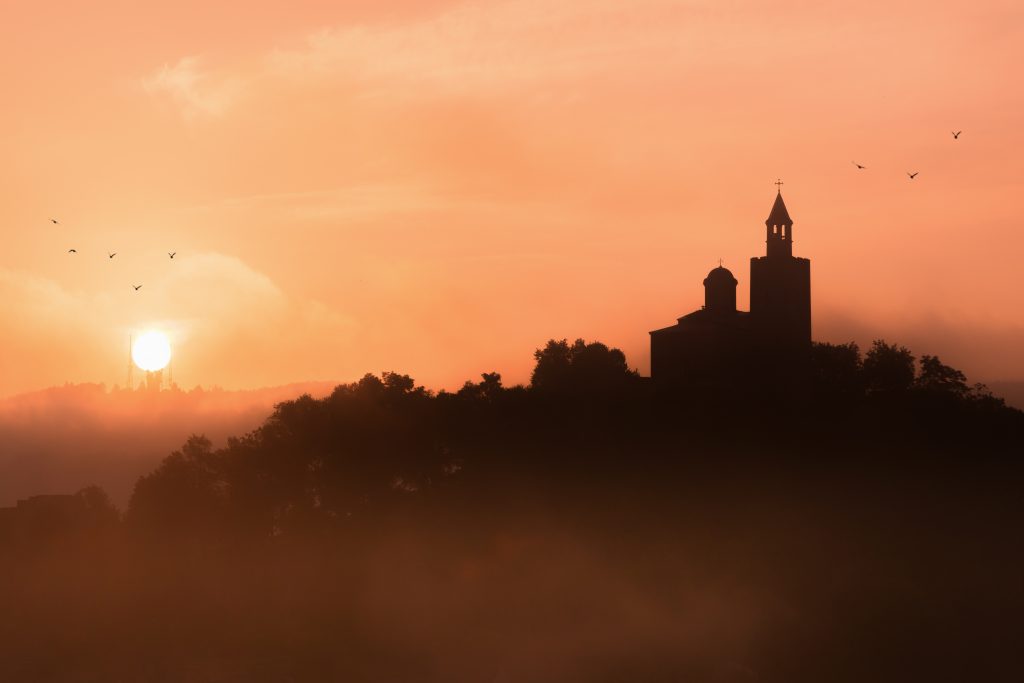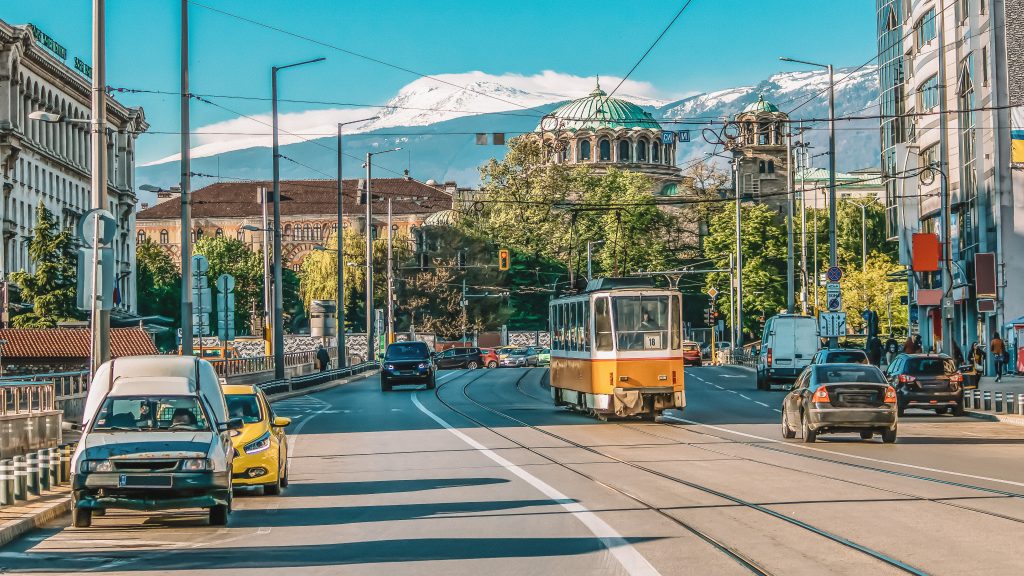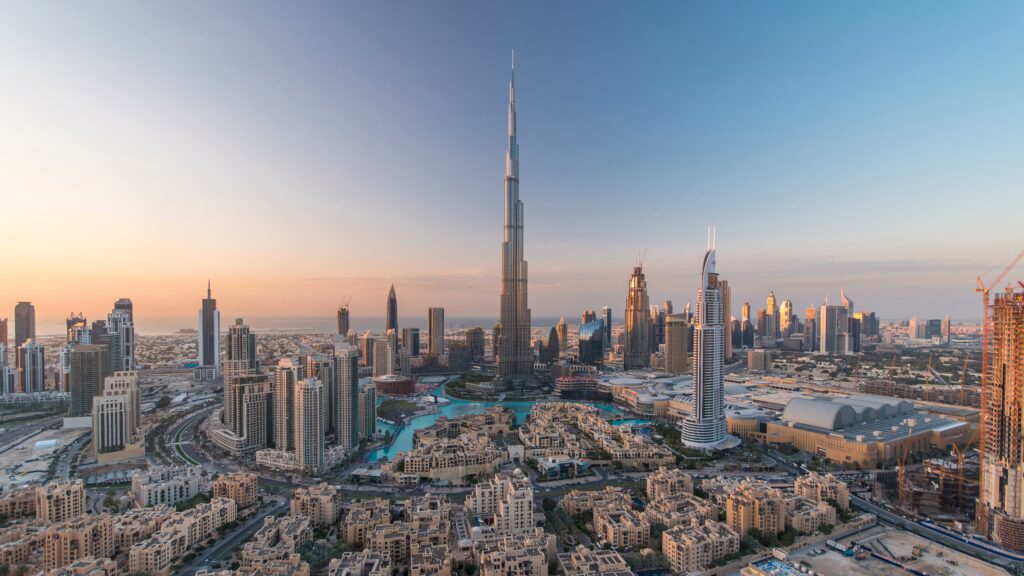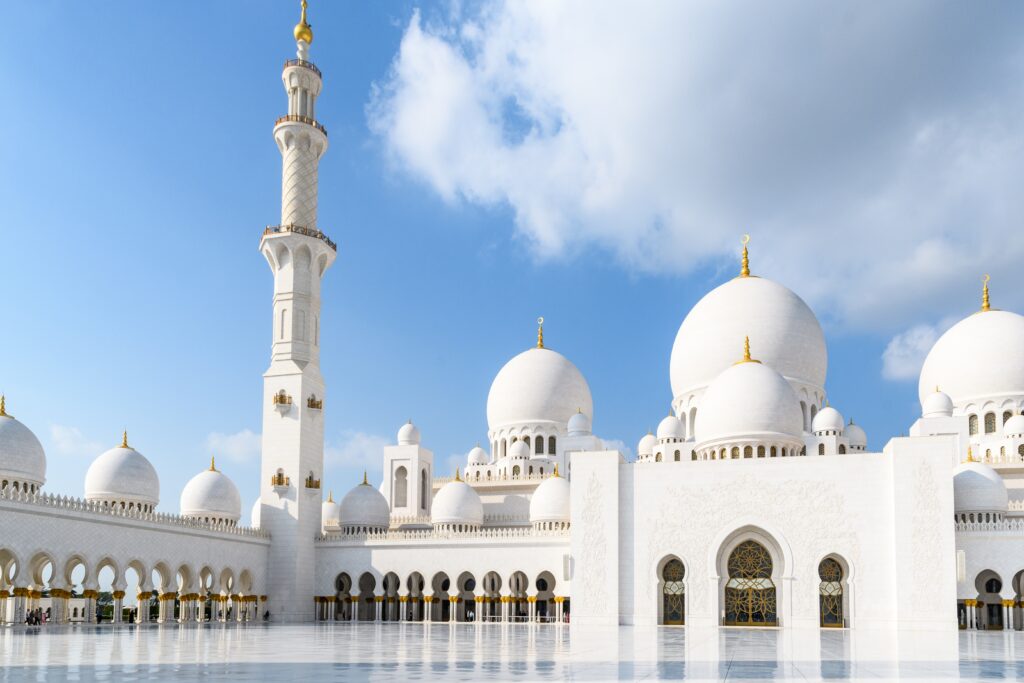

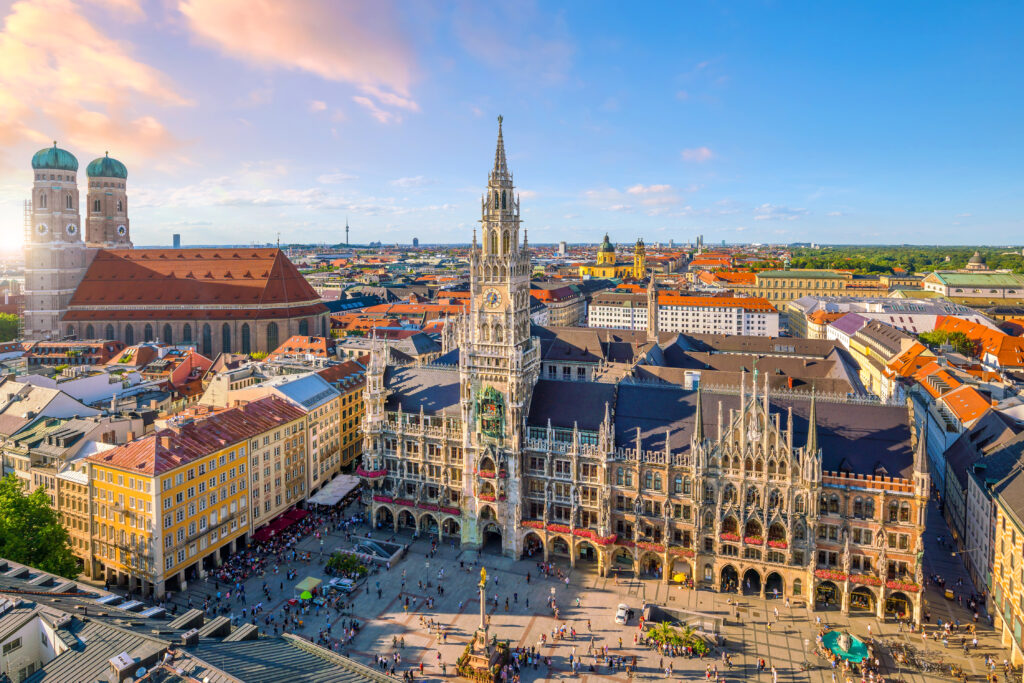
Belgrade is a city that wins you over with its atmosphere, its history and its contrasts. The Serbian capital sits at the crossroads of East and West and deftly blends the spirit of the past with the modern face of the present. Strategically set on the banks of the Sava and the Danube, it’s a place where ancient fortresses and monuments sit side by side with gleaming skyscrapers and socialist architecture. I’d describe Belgrade as a Balkan (not Bermuda) triangle, built between three absolute contrasts – socialist brutalism, classic European architecture and shiny modern buildings. And somewhere in the middle lies the heart of the city, its colourful soul – and its pulse is its people.
This colourful mix of cultures and architectural styles makes Belgrade unique and inspiring for every visitor. The city combines the buzz of a cosmopolitan hub with the warm hospitality of Balkan tradition. Strolling through old streets full of cafés and restaurants, the music and nightlife, and historic sights such as Belgrade Fortress all add up to an unforgettable experience. As well as its architecture and history, Belgrade wows visitors with an abundance of traditional local dishes and restaurants that are a feast for the senses. No wonder it’s often been dubbed ‘the culinary capital of the Balkans’ lately. Whether you love history and culture or you’re simply after a new adventure, Belgrade offers all that and much more.
In this article I’ve gathered the 15 most interesting sights in the Serbian capital, Belgrade, along with a few extra tips to make your trip there unforgettable.

How to get there
Belgrade is fairly close to Bulgaria, which makes it easy for Bulgarians to reach. Your options for getting to Belgrade are:
- By car – The drive from Sofia to Belgrade is about 400 km and takes 4–5 hours. The main motorway is the E75, which passes through Niš, where you can stop and explore the city. Bear in mind that Serbia has road tolls.
- By coach – Several coach companies run daily services from Sofia to Belgrade. The journey usually takes around 5–6 hours, depending on traffic at the borders.
- By train – Unfortunately, the Belgrade–Sofia railway line is being repaired and you currently can’t travel by train.
- By plane – If you want to save time, flights from Sofia to Belgrade take about an hour. Belgrade’s Nikola Tesla Airport is well connected to the city by public transport and taxi.
When is the best time to visit Belgrade?
Belgrade is a year-round destination, but the best times to visit are spring (April–June) and autumn (September–October). Temperatures are mild and there are fewer tourists, which makes walking and sightseeing more enjoyable. Summer is also a popular time to visit, especially for the festivals and lively nightlife, but it can get hot. Winter is quieter, but the Christmas markets give the city a special charm. Quite a lot of Bulgarians like to see in the New Year there, but bear in mind that it gets very busy then, especially at the borders.
Getting around the city
Belgrade has a well-developed public transport network of buses, trams and trolleybuses. Tickets can be bought from kiosks or directly from the driver. The system is convenient and covers almost all the important parts of the city.
Taxis in Belgrade are also fairly cheap, but it’s best to use licensed companies or apps such as CarGo or Yandex.
If you love walking, central Belgrade is compact enough to explore easily on foot. Many of the main sights are right next to each other.
What to see in Belgrade
Belgrade Fortress and Kalemegdan
Belgrade Fortress is one of the most iconic and historically significant sights not just in the capital but in the whole of Serbia. Strategically placed at the confluence of the Sava and the Danube, it has witnessed thousands of years of rather dramatic history. The fortress was a military stronghold used by the Romans, Bulgarians, Byzantines, Ottomans and Austrians, each of whom left their mark on it. As you walk along its ancient walls and towers, you’ll feel the spirit of the past and enjoy beautiful panoramic views of the two rivers and the city.

Kalemegdan Park, which surrounds the fortress, is every bit as impressive. It’s the largest and most popular park in Belgrade – a place for walks, sport, relaxation and cultural events. Here you’ll find monuments, art galleries and even a small zoo. One of the most striking sights in the park is the Victor statue – a symbol of victory and freedom that towers over the city.

- Entrance fee: Visiting the fortress and park is free, but some museums and galleries within the complex, such as the Military Museum, charge a small entrance fee (around 300 RSD / 2.50 euros).
The Temple of St Sava
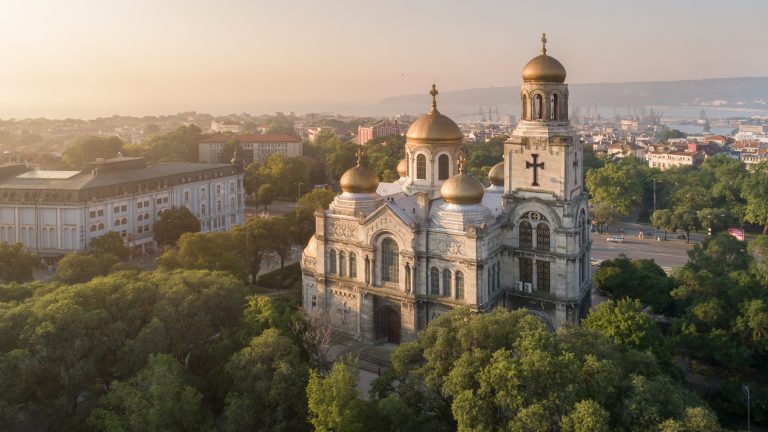
The Temple of St Sava is the largest Orthodox church in Serbia and the Balkans, and a key symbol of the Orthodox faith in Serbia. It’s dedicated to St Sava, the founder of the Serbian Orthodox Church, and construction has been going on from the early 20th century to this day. Architecturally, the church impresses with its white marble and green domes, while the interior is richly decorated with frescoes and mosaics.
The underground crypt displays relics and works of art from across the Orthodox world.
- Entrance fee: Entry to the church is free, but there’s a modest charge to visit the crypt and some special exhibitions (around 200 dinars / 1.50 euros).

Knez Mihailova Street
Knez Mihailova Street is Belgrade’s main pedestrian and shopping street, linking Republic Square with Kalemegdan. It’s known for its beautiful 19th-century neoclassical and Renaissance-style buildings, which have kept their architectural charm and are a treasure for the city’s residents today.
The street is lined with shops, cafés and restaurants, making it ideal for a stroll and some shopping. In the evening it’s lit up and buzzing, with plenty of entertainment on offer. Street performances and concerts are often held here, which gives it a special atmosphere.

Skadarlija
Skadarlija is Belgrade’s bohemian quarter, close to the city centre. This cobbled street is famous for its traditional Serbian kafanas (restaurants), where you can try local specialities such as pljeskavica, ćevapi and Karadjordje’s schnitzel to the sound of live folk music. The atmosphere in Skadarlija is very romantic, with lanes full of flowers and old-fashioned lamps. It reminded me a lot of Plovdiv’s Kapana.
Skadarlija was a favourite haunt of artists in the late 19th and early 20th centuries, and it still keeps that authentic old-world spirit today. Every evening the quarter comes alive with music, dancing and traditional Serbian entertainment.

St Mark’s Church
Set in the centre of Belgrade, next to Tašmajdan Park, St Mark’s Church is an impressive Neo-Byzantine building. Built in 1940, it’s one of the largest churches in the city and is known for its incredible frescoes and marble decoration. It holds the relics of Tsar Stefan Dušan – one of Serbia’s most important rulers, who is also linked to Bulgarian history.
The church is popular with visitors not only for its spiritual significance but also for the peaceful atmosphere around it, thanks to the greenery of the park.

Republic Square
Republic Square is the heart of Belgrade and an important cultural and historical hub. It’s home to the statue of Prince Mihailo Obrenović, a leading figure in Serbia’s liberation from Ottoman rule. Around the square you’ll find key sights such as the National Museum and the National Theatre.
It’s a popular meeting point for locals and the starting point for many sightseeing tours.

The National Museum
The National Museum in Belgrade is the oldest and largest museum in Serbia, with collections spanning archaeology, history and art. Here you can see exhibits from prehistoric times to the present day, including ancient Roman and Byzantine artefacts. One of its most precious collections covers Renaissance and Baroque art, with paintings by European masters such as Titian and Rubens.

The museum stands on Republic Square and is a must for history and art lovers.
- Entrance fee: 300 dinars (about 2.50 euros).

Zemun
Zemun is an old part of Belgrade, north of the centre on the banks of the Danube. Known for its narrow cobbled lanes and cosy restaurants, Zemun has a laid-back atmosphere that contrasts with the buzz of modern Belgrade. One of its highlights is the Gardoš Tower, which offers a wonderful panoramic view of the Danube and New Belgrade.
Zemun is also a popular spot for a stroll along the long riverside promenades, where you can enjoy traditional Serbian food in one of the restaurants overlooking the river.

- Entrance fee: Entry to the Gardoš Tower costs 200 dinars (about 1.50 euros).
Hotel Moskva
Hotel Moskva is one of Belgrade’s most iconic hotels. Built in 1906, it has a rich history and is an Art Nouveau architectural masterpiece. Set on the city’s main street, it draws people in not only with its luxurious façade but also with its famous patisserie, where you can try classic desserts such as the Moskva cake.
Over the years Hotel Moskva has been a favourite of many famous names, including writers, politicians and artists.

New Belgrade
New Belgrade (Novi Beograd) is the modern part of the city, which began to develop after the Second World War. Here you’ll find contemporary architecture, wide boulevards, big shopping centres and the offices of international companies. The area’s main attraction is the Sava Centre, which regularly hosts concerts, conferences and other cultural events.
New Belgrade is also known for its lovely riverside promenades, which are perfect for walking and cycling.

The Museum of Yugoslavia and the House of Flowers
The Museum of Yugoslavia is dedicated to the history of the former Yugoslavia and is a must for anyone who wants to immerse themselves in the socialist era. Here you’ll find all kinds of exhibits from the time of Josip Broz Tito’s rule, including personal belongings, documents and gifts from foreign leaders.
One of the most visited parts of the complex is the House of Flowers, which houses Tito’s mausoleum. It’s a symbol of the Yugoslav era and draws thousands of visitors every year.

- Entrance fee: 400 dinars (about 3 euros).
A cruise on the Sava and the Danube
One of the most enjoyable things to do in Belgrade is to take a cruise on the Sava and the Danube. You’ll see the city from a different angle and enjoy lovely views of Belgrade Fortress, modern New Belgrade and the river islands.
Various companies offer cruises of different lengths and routes. Some include dinner and live music, which makes the experience even more memorable.

- Prices: Prices vary, but usually start at 1,500 dinars (about 13 euros) for a cruise lasting around an hour and a half.
Avala and Avala Tower
Avala is a mountain about 20 km south of Belgrade and a popular place for locals to unwind. At its summit stands Avala Tower, one of the tallest TV towers in the Balkans, with impressive panoramic views over Belgrade and the surrounding area. If you’ve got more time in the capital, or you’ve been before and already ticked off most of the sights, I strongly recommend making the trip out here.
A lift takes you to the top of the tower, where there’s an observation deck and a restaurant.

- Entrance fee: 300 dinars (about 2.50 euros) to go up the tower.
Ada Ciganlija
Ada Ciganlija is one of Belgrade’s most popular and best-loved parks, turned into an artificial island on the Sava. Nicknamed ‘the Belgrade Sea’, it’s the perfect place for relaxation and fun for locals and visitors alike. In summer the shores of its artificial lake turn into busy beaches where people soak up the sun, swim and try all kinds of water sports.
Beyond the beaches, Ada Ciganlija offers plenty of ways to get active. You can cycle, play golf, tennis or football, or try your hand at more adventurous sports such as water-skiing and kayaking. The island also has long paths that are perfect for walking or running surrounded by nature.
For those who prefer a more leisurely time, Ada Ciganlija has lots of cafés, restaurants and bars overlooking the water, where you can relax over a coffee or tuck into traditional Serbian food.

The Nikola Tesla Museum
The Nikola Tesla Museum is dedicated to the life and work of the great scientist and inventor of Serbian descent, Nikola Tesla. Here you’ll find original documents, personal belongings and models of Tesla’s inventions. One of the highlights is a demonstration of some of Tesla’s experiments, which show off his discoveries in the field of electricity.
It’s a must for anyone interested in science and technology.

- Entrance fee: 500 dinars (about 4 euros).
Author
Vilislav Alkantara