
New Zealand is one of those faraway lands that, for many Bulgarians, remains just a pretty picture in a magazine or a shot from a film. The huge distance, the lack of direct flights and the idea that it’s “at the other end of the world” often put it on the list of dreams, but rarely in actual plans. And yet some dreams have the power to cross thousands of kilometres – and for me, this trip was exactly that. When the plane began its descent over Auckland, I felt as though I was entering a new universe, not just a new city.
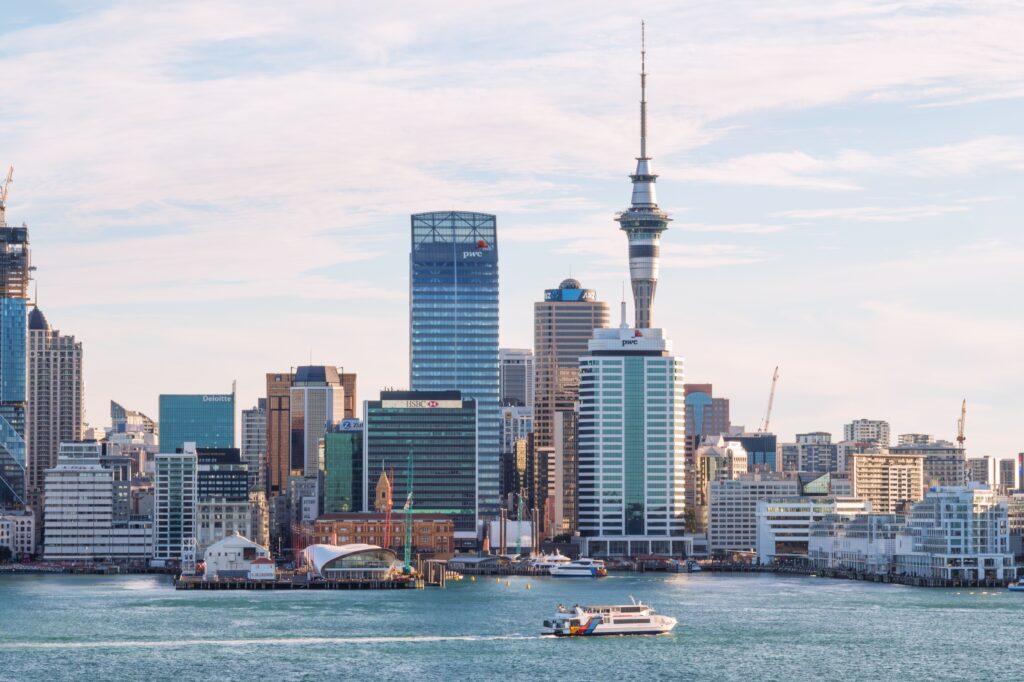
Auckland welcomed me like a scene from a dream – crystal-clear air, golden glints on the waves of the bay and green hills that seem to guard the secret of this magical island world. Here the sky and the sea don’t just meet, they dance together, and the city spreads out between them like a bridge between nature and modernity. With every step I felt that this is a place where every view brings a sense of wonder, and every moment is an invitation to live it slowly and fully. This journey wasn’t just a geographical one – it was a spiritual and emotional journey, a dream come true in which I happily lost myself and from which I’ll never want to wake up.
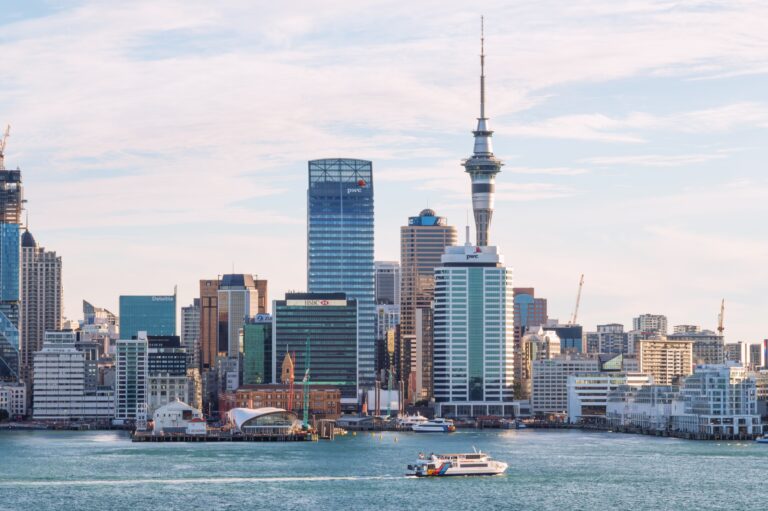
Auckland – a city that skilfully combines the pulse of a modern metropolis with the beauty and tranquillity of nature. Set between two picturesque harbours and surrounded by green hills and volcanic peaks, it’s a place where sea and land embrace in harmony. It’s New Zealand’s largest city and one of the most picturesque destinations in the world, where every sunrise and sunset brings a sense of adventure and a fresh start.
In this article I’ve gathered the top 11 most interesting sights in Auckland, along with a few tips that will make your stay there even more exciting and interesting.

How do you get there?
There are no direct flights from Bulgaria to Auckland, but the journey is perfectly doable with one or two connections. The most commonly used routes include a flight from Sofia to Dubai or Doha, from where there are regular connections to Auckland with airlines such as Emirates and Qatar Airways. The total travel time is between 25 and 30 hours, depending on the connections.
Another option is to fly via European capitals such as London, Paris or Frankfurt, and then continue via Australia (Sydney or Melbourne) on a connecting flight. The journey is long, but with every mile that passes, the feeling that you’re getting closer to a new world grows stronger.
When should you visit Auckland?
As New Zealand is in the southern hemisphere, the seasons are the opposite of ours. Summer (December – February) is the most popular time to visit – warm, sunny and ideal for beaches and trips to the nearby islands. In spring (September – November) and autumn (March – May) the temperatures are milder and there are fewer tourists – ideal for relaxed walks and sightseeing. Winter (June – August) is cool, with temperatures around 10–15°C, and although there’s no snow in the city, the atmosphere is cosy and prices are lower.
If you want to feel the city’s energy at its most vibrant and enjoy the sea, summer is your season. If you prefer peace and quiet and a slower pace, go for spring or autumn.
Where to stay?
The Central Business District (CBD) is the best choice for a first visit – here you’re within walking distance of the harbour, museums, restaurants and shops. Hotels range from luxury chains with panoramic views to cosy boutique options.
If you’re after an artsy atmosphere, the Ponsonby neighbourhood offers refined restaurants, designer boutiques and lively nightlife. Parnell is quieter, with romantic cafés and leafy streets, ideal for couples. Devonport, meanwhile, is a seaside gem with retro charm, offering tranquillity, wonderful views of the city and easy access by ferry.
How to get around the city?
Auckland has a well-developed transport network of buses, trains and ferries. Getting an AT HOP card is the most convenient way to get around – it’s valid on all types of public transport. The ferries are especially popular, as they connect the centre with the islands and the coastal suburbs.
If you’re planning to head out of the city and explore the natural sights around it, hiring a car is the best option. Bear in mind that they drive on the left here, which can be a challenge the first time, but the roads are in excellent condition and driving is a real pleasure.
Which local dishes should you try?
Auckland’s culinary scene is a mix of tradition and global influences. Lamb is one of the country’s points of pride – tender, aromatic and often cooked with herbs and served with seasonal vegetables. Seafood is a must – from the large “green-lipped mussels” to fresh snapper and delicious prawns.
For dessert, be sure to try “Pavlova” – a light meringue-based dessert topped with fluffy cream and fresh fruit. And if you’d like a taste of Māori culture, look out for “Hāngi” – a traditional dish slow-cooked in an earth oven, which has a unique, smoky flavour and tells the story of this people in an inimitable way.
What to see in Auckland?
Sky Tower
Sky Tower is Auckland’s emblem – an imposing 328-metre tower that rises above the city skyline and offers panoramic views you’ll struggle to find anywhere else. From the top you can enjoy a 360-degree perspective over both harbours, the islands of the Hauraki Gulf and the surrounding volcanic hills. On a clear day you can see for dozens of kilometres in every direction, and the sunset from here is pure magic – the sky turns gold and pink as the city slowly sinks into the evening lights.
Sky Tower isn’t just an observation deck – it’s also a hub for adrenaline experiences. Here you can try the SkyWalk – a walk around the tower’s outer ring with no railings, or the SkyJump – a controlled cable-guided descent from a height of 192 metres. For more laid-back visitors, there are refined restaurants and cafés where you can enjoy the views in a cosy setting.

Entrance fee: 40 NZD (about 22 EUR) for adults, 20 NZD (about 11 EUR) for children.
Handy tip: Visit the tower about an hour before sunset so you can see the city both in daylight and in the magic of the night lights.
Auckland Harbour Bridge
Auckland Harbour Bridge is an architectural masterpiece that connects the central part of the city with the northern suburbs. Built in 1959, the bridge is 1,020 metres long and is an integral part of Auckland’s look. Its greatest beauty is revealed from the water – on a boat trip or ferry ride you’ll be able to see its steel structure in all its glory and feel its sheer scale.
For thrill-seekers, the bridge offers a unique experience – the “Bridge Climb”, where, kitted out with a helmet and harness, you climb up the arches and take in breathtaking views. And for the bravest of all there’s the “Bungy Jump” – a bungee jump straight off the bridge structure above the waters of the Waitematā Harbour.
Entrance fee: Walking across the bridge is free, but the Bridge Climb costs 130 NZD (about 72 EUR), and the Bungy Jump – 165 NZD (about 92 EUR).
Handy tip: If you don’t want to spend money on a tour, just hop on a ferry and enjoy the view of the bridge from the harbour.

Auckland War Memorial Museum
Auckland War Memorial Museum is not only one of the most important museums in the country, but also a cultural treasure that tells the story of New Zealand from ancient times to the present day. Set in the beautiful Auckland Domain – the city’s oldest park – the museum impresses with its neoclassical façade and rich exhibitions. Inside you’ll find an exceptional collection of Māori artefacts, traditional canoes, carved wooden figures and objects that keep the heritage of the Polynesian peoples alive.
Besides the cultural section, the museum also has an extensive military exhibition dedicated to New Zealand’s involvement in the First and Second World Wars. Here you’ll find weapons, uniforms, personal letters and photographs that speak of the courage and self-sacrifice of New Zealand soldiers. The museum’s panoramic terrace also offers a wonderful view of the city and the harbour.
Entrance fee: 28 NZD (about 15 EUR) for adults, free for Auckland residents.
Handy tip: Start your tour with the Māori hall – it’s a truly spiritual experience that will introduce you to the cultural soul of the country.

Auckland Art Gallery Toi o Tāmaki
Auckland Art Gallery Toi o Tāmaki is the largest art gallery in New Zealand and one of the most important cultural spaces in the country. The building is a work of art in itself – modern architecture with elements of timber and glass that blends into the green oasis of Albert Park. Inside, a rich collection of more than 17,000 works awaits you – from classical European painting to contemporary New Zealand art that reflects the region’s unique perspective and culture.
Particularly impressive is the section devoted to Māori and Pacific art – here you’ll see intricate wood carvings, traditional textiles and sculptures that tell stories passed down from generation to generation. Alongside the permanent collections, the gallery regularly hosts international-level temporary exhibitions as well as interactive installations that make a visit a real feast for the senses.
Entrance fee: The permanent collection is free, temporary exhibitions – around 20 NZD (about 11 EUR).
Handy tip: Visit the gallery in the morning, when it’s quieter, so you can enjoy the atmosphere and the art at your leisure.

Viaduct Harbour
Viaduct Harbour is the heart of Auckland’s maritime soul – a lively harbour where luxury yachts sit alongside fishing boats and the waterfront promenades are lined with restaurants, bars and cafés. Here the day begins with the aroma of fresh coffee and ends with a glass of wine at sunset, as the city lights are reflected in the calm waters of the bay. It’s also a popular venue for events and festivals, especially those linked to sailing, which runs in New Zealanders’ blood.
A stroll along the waterfront reveals panoramic views of Sky Tower and the surrounding hills, and the atmosphere is at once cosmopolitan and relaxed. Viaduct Harbour is also ideal for a culinary journey – here you can try fresh seafood, locally prepared lamb or modern fusion cuisine. The place is especially romantic in the evening, when the harbour is lit up and the boats gently rock on the waves.
Entrance fee: Free.
Handy tip: Book a table for dinner at a restaurant overlooking the harbour – the sunset here is exceptional.

Mount Eden (Maungawhau)
Mount Eden (Maungawhau in Māori) is the highest volcanic hill in Auckland and one of the city’s most iconic natural landmarks. The climb is easy and accessible, and the reward is a panoramic view that takes in the whole city, its harbours and the surrounding islands. At the top you’ll also see an impressive crater around 50 metres deep, covered in green grass, left over from the last volcanic eruption more than 15,000 years ago.
Maungawhau is also a place of deep cultural significance for the Māori – the hill was used as a fortified settlement (pa) and still holds archaeological remains from that era. The walk up is especially pleasant in the early hours of the day or at sunset, when the light accentuates the contours of the crater and the city glitters against the backdrop of the ocean.
Entrance fee: Free.
Handy tip: Wear comfortable shoes – the paths are steep in places, but perfectly manageable even for beginners.

Waiheke Island
Waiheke Island is like a little paradise, just 40 minutes by ferry from central Auckland. The island is famous for its vineyards, golden beaches and artistic community. Here you can spend a day tasting world-renowned wines in cosy wineries, enjoying panoramic views over the Hauraki Gulf and strolling along sandy stretches where the sea is crystal clear. The atmosphere is calm and relaxed – ideal for escaping the noise of the city.
The island is also a paradise for lovers of art and food. As well as wine tours, you’ll find art galleries, local artists’ studios and restaurants serving gourmet dishes made with local produce. For more active visitors there are scenic walking trails that pass through hills, vineyards and bays, and the sunsets here are pure poetry for the eyes.
Entrance fee: There’s no entrance fee for the island, but a return ferry ticket costs around 46 NZD (about 25 EUR).
Handy tip: If you have time, hire an electric bike on the spot – it’s the most convenient way to see more beaches and wineries in a single day.

Queen Street
Queen Street is Auckland’s main artery and the heart of city life. The street starts at the harbour and climbs towards the central hills, passing countless shops, cafés, restaurants and notable buildings along the way. Here you’ll feel the city’s pulse – the noise of the trams, the music of street performers and the aroma of freshly brewed coffee. This is where locals and tourists mingle in a colourful stream of people and energy.
As well as for shopping, Queen Street is great for admiring architecture – the buildings here range from historic façades to modern glass towers. In the evening the street comes alive with nightspots, bars and theatres, and nearby you’ll also find little side streets full of creative boutiques and galleries.
Entrance fee: Free.
Handy tip: Visit Queen Street on a weekday morning, when it’s calmer and you can browse the shop windows and architecture without rushing.

Rangitoto Island
Rangitoto Island is the largest volcano in the Hauraki Gulf and one of Auckland’s most iconic natural wonders. It rose from the ocean around 600 years ago – literally “yesterday” on a geological scale. The island is covered in black volcanic lava, which contrasts with the bright green vegetation and the unique species of ferns and plants that grow only here. The climb to the summit takes about an hour and offers stunning views of the city and the surrounding islands.
Rangitoto is linked to the nearby island of Motutapu by a natural causeway, which allows fans of longer hikes to explore both places in a single day. Besides going on foot, you can also explore the island by kayak, which is popular with local adventurers. There are no shops or restaurants here, so it’s important to come prepared.
Entrance fee: There’s no entrance fee; a return ferry ticket is around 39 NZD (about 21 EUR).
Handy tip: Bring enough water and food – there are no facilities on the island, and the sun can be strong even on cooler days.

Auckland Sea Life Centre
Auckland Sea Life Centre is one of the most impressive aquariums in New Zealand and a wonderful place for a family visit, or for anyone who wants to dive into the secrets of the ocean. The centre has a huge underwater tunnel where you walk surrounded by sharks, rays and hundreds of colourful fish swimming above and around you. You’ll also find special zones devoted to New Zealand’s unique marine life, including rare species found only in these waters.
Besides watching the sea creatures, you’ll also find educational programmes, feeding demonstrations and interactive exhibits about ocean conservation. The centre is also home to a colony of Antarctic penguins, which you can watch in an environment that recreates their natural habitat – an experience that leaves lasting memories.
Entrance fee: 39 NZD (about 21 EUR) for adults, 27 NZD (about 15 EUR) for children.
Handy tip: Buy your ticket online in advance – there are often discounts and you’ll avoid the queues on the day.

Auckland Zoo
Auckland Zoo is the largest zoo in New Zealand and home to over 1,400 animals from more than 135 species from all over the world. Spread across 16 hectares, it offers spacious, well-kept areas that resemble the animals’ natural habitats as closely as possible. Among the main attractions are the kiwi – the national symbol – the majestic giraffes, the playful monkeys and the big cats.
The zoo is also known for its efforts to protect endangered species, with many of its programmes involving breeding animals and returning them to the wild. For children there are special educational tours and play areas, and for photography lovers – countless opportunities to capture unique moments. A visit here can easily fill half a day, and the cafés on site offer a pleasant spot for a break.
Entrance fee: 24 NZD (about 13 EUR) for adults, 13 NZD (about 7 EUR) for children.
Handy tip: Plan your visit for the morning – the animals are more active and the sun isn’t as strong.


Author
Vilislav Alkantara