
One of the first truly lovely, sunny weekends of the year. My friends and I decided to take a trip to Asenovgrad and Bachkovo. Not that we hadn’t been before – it’s just that these places are well worth the two-hour drive from Sofia, and they’re firm favourites of ours. This year we’ve decided to visit more destinations in Bulgaria. After all, we may live in the poorest country in the EU, but it’s also one of the countries with the richest cultural heritage.
Asen’s Fortress stands tall at the gateway to the mountains, like a true sentinel. It once played an important strategic role, and today it’s one of the most visited and best-known sights in the country. The fortress is truly stunning from the moment it comes into view from the road. It’s one of the best-preserved and best-kept fortresses in Bulgaria. You’ll find it just before you leave town in the direction of Smolyan. I should mention that I last visited more than 10 years ago, and since then they’ve spruced it up and made it safer with extra ramps and railings.

The Thracians had already recognised the strategic importance of the spot where the fortress stands. In the 5th–4th centuries BC they built a military stronghold on the inaccessible rock, guarding the pass that linked the Thracian lands with the Aegean coast. It was later inhabited in Roman and Byzantine times too, and was burned and destroyed many times over. It played its most important role when it lay within the borders of medieval Bulgaria, in the reign of Tsar Ivan Asen II. At that time two villages grew up at its foot, which later, together with the fortress, formed the medieval town of Stenimachos (today’s Asenovgrad).
In the 13th century, after expanding Bulgaria’s territory to three seas – the Aegean, the Black Sea and the Adriatic – Tsar Ivan Asen II completed the fortress and immortalised it with an eight-line inscription in Old Bulgarian, placed above its entrance. The message carved into the rock is the reason the fortress came to be called Asen’s Fortress, and the nearby modern town Asenovgrad. Its present appearance dates roughly from this period. The inscription reads: “In the year 6739 (or 1231), indiction 4, Asen, Tsar of the Bulgarians, Greeks and other lands, raised up by God, appointed Alexius the sebastos and built this town.”


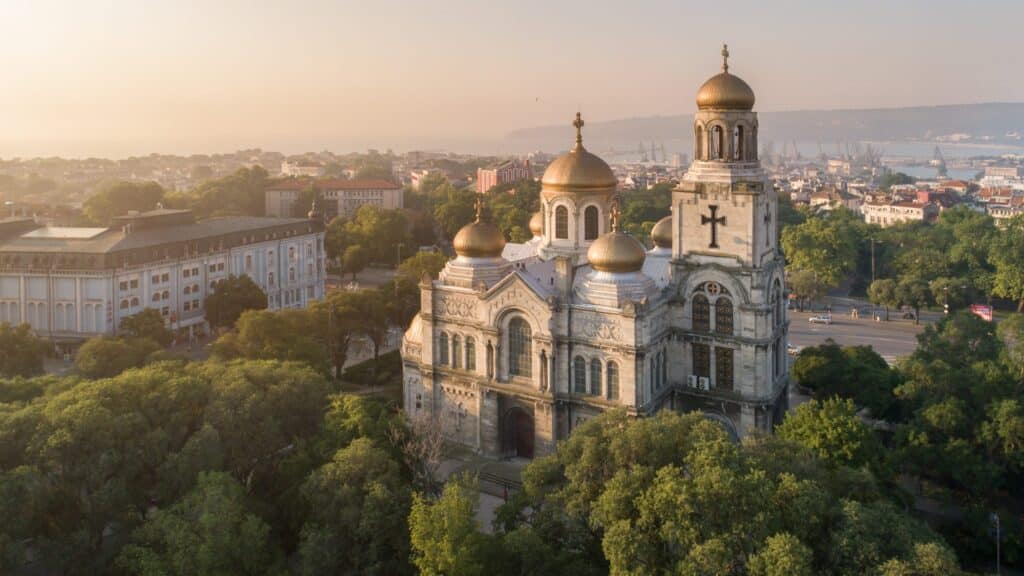
The fortress’s biggest highlight is definitely the church rising above the rocks – “Holy Virgin of Petrich”, built in the 13th century. It has two storeys: the ground floor was most likely used for storage, while the church proper was on the upper floor. The church is open to visitors, and a small part of its murals survives inside. What’s interesting is that although the fortress was destroyed during the Ottoman invasion, the church remained almost intact until the 20th century, when it was fully restored and reconsecrated. It’s the first church in the Eastern Orthodox world to have a tower.
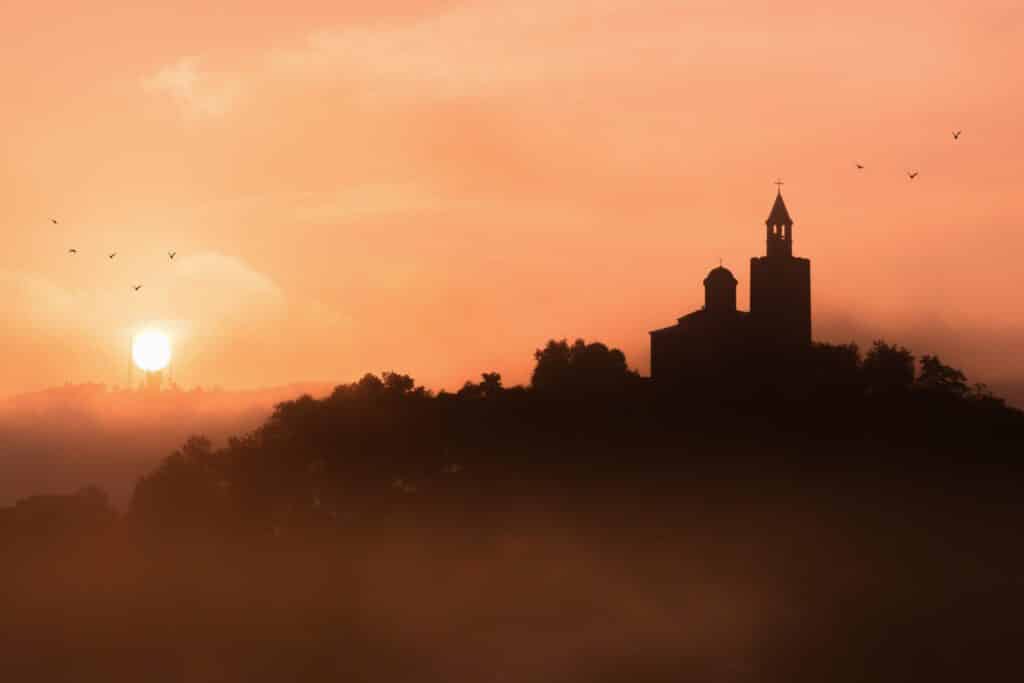
In my opinion, it’s one of our most interesting and best-preserved fortresses after Tsarevets. If you’re heading to Plovdiv or even to the seaside, stop off for an hour and have a look around. The entrance fee is purely symbolic – 4 leva for adults. The fortress is on the list of the 100 National Tourist Sites. By the way, I bought the stamp booklet, so from now on I’ll be collecting stamps from the places I visit. Why not do the same!

Author
Vilislav Alkantara